

HISTORY
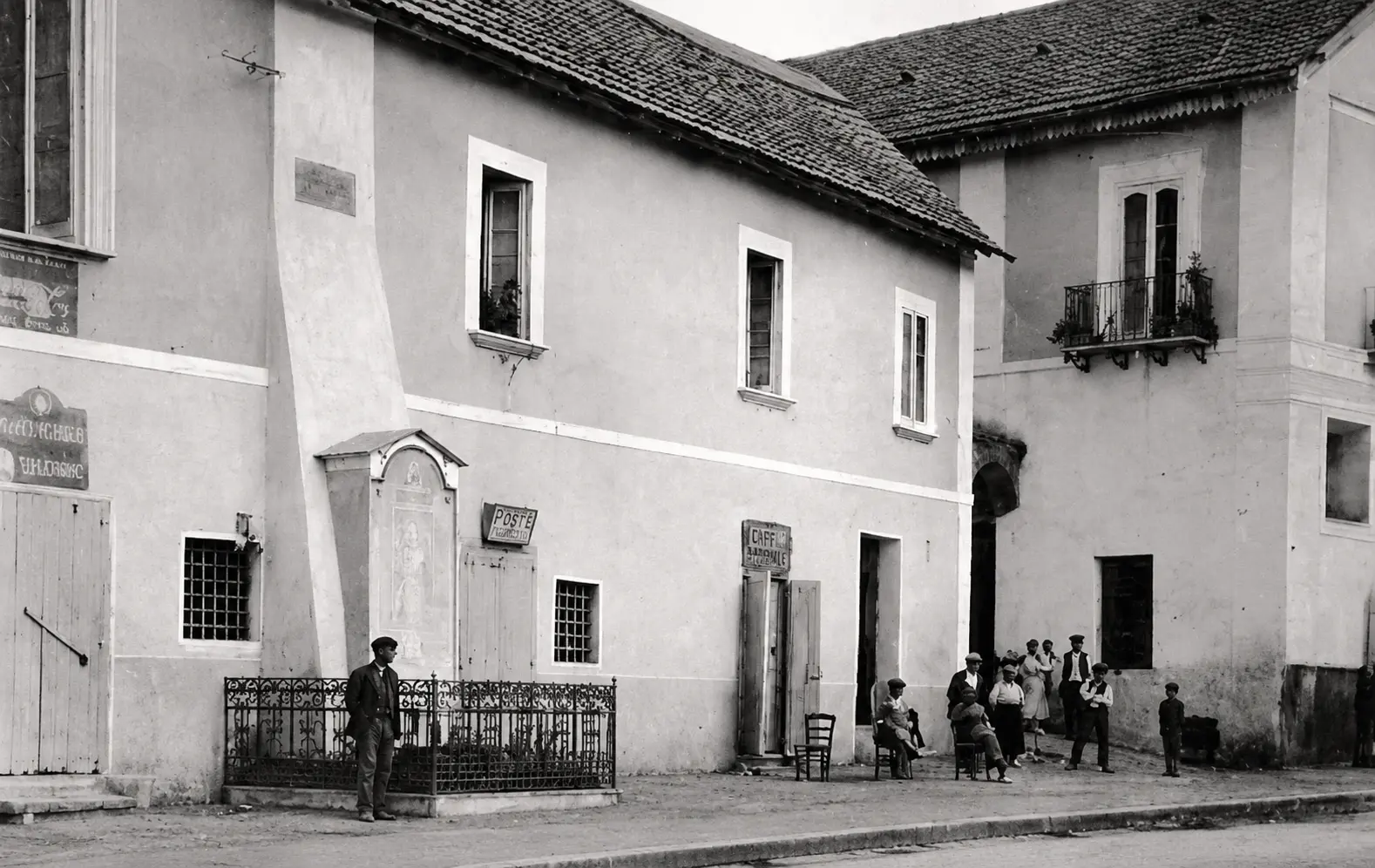
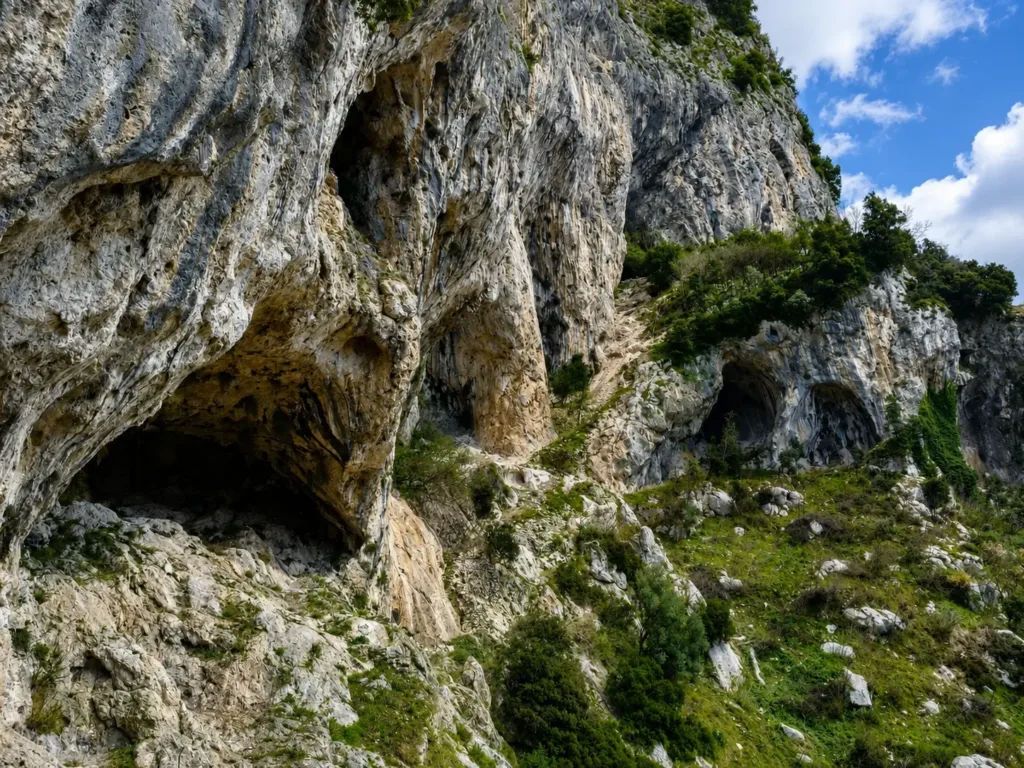
The origins of Agerola date back to ancient times. The first settlements were established by the Oscans, an ancient Italic people who inhabited these mountains as early as the 5th century BC. Numerous archaeological finds discovered in the areas of Radicosa, Ponte, and the Cave of Santa Barbara bear witness to the later Roman presence.
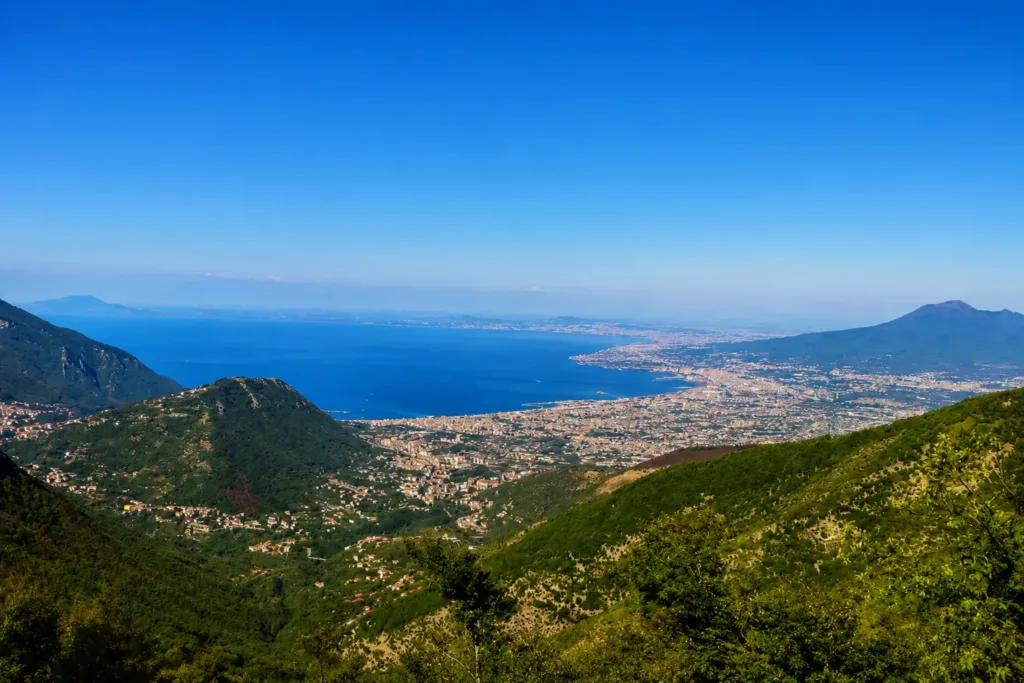
Thanks to its strategic position in the Lattari Mountains, Agerola became a safe refuge for people fleeing barbarian invasions, Saracen raids, and the attacks that affected the Amalfi Coast. This continuous influx of inhabitants contributed to the growth of the village, enriching its culture, traditions, and identity.
During the Middle Ages, Agerola was closely linked to the prosperity of the Maritime Republic of Amalfi, with which it developed strong commercial ties. The village became an important agricultural and manufacturing centre, renowned for its milk and cheeses, wool, timber, charcoal, rose water, silk, and cured meats—products that were even supplied to the royal court of the Kingdom of Naples.
Over the following centuries, Agerola experienced Norman, Angevin, Aragonese, Spanish, and Bourbon rule, alternating periods of prosperity with times of famine, epidemics, earthquakes, and heavy taxation. Despite these challenges, the local community preserved its identity, maintaining the agricultural and pastoral traditions that remain among the area’s greatest assets today.
A major turning point came in the 19th century with the construction of the Palombelle Tunnel and the first carriage roads, which ended the village’s long isolation and improved connections with the Amalfi Coast and the Agro Nocerino-Sarnese plain, paving the way for economic growth and the development of tourism.
Today, Agerola proudly preserves its rich historical, cultural, and gastronomic heritage. Known as the “Little Switzerland of Campania” for its cool climate and lush pastures, it is celebrated for its outstanding local products, including the renowned Provolone del Monaco PDO cheese, and serves as the main gateway to the famous Path of the Gods, one of the most spectacular scenic hiking trails along the Amalfi Coast.
Historical Overview of Agerola
A journey through the history, traditions and identity of Agerola.
1st Century AD
Origins
Century
Haven
Century
with Amalfi
Century
Period
Century
Period
19th Century
Period
Republic
Century
Risorgimento
Explore Historical Sites
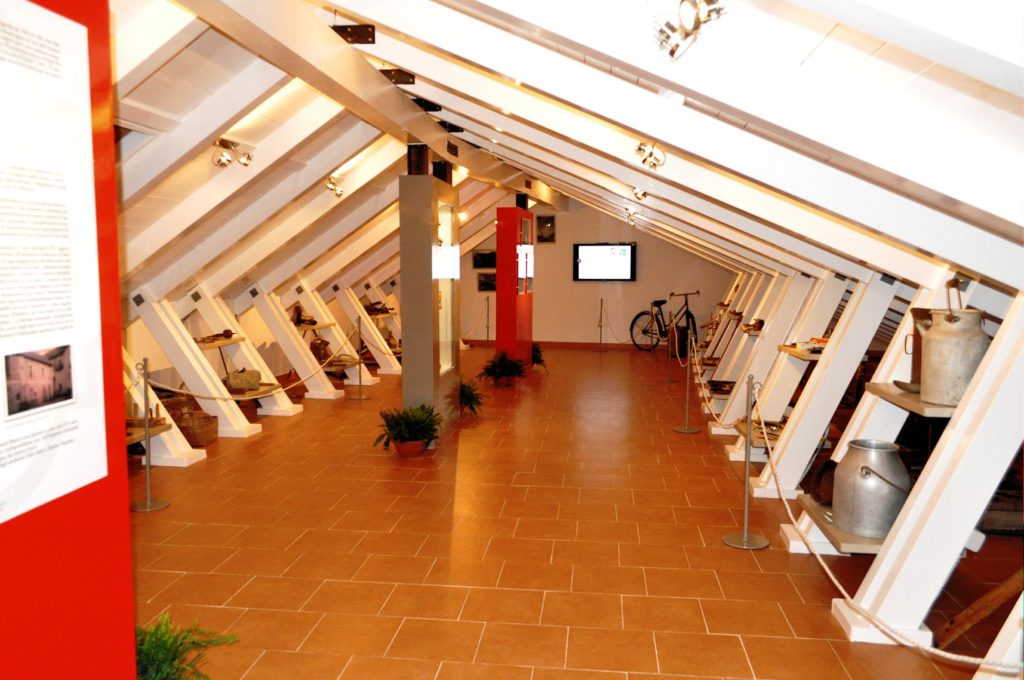
Museo Etnoantropologico
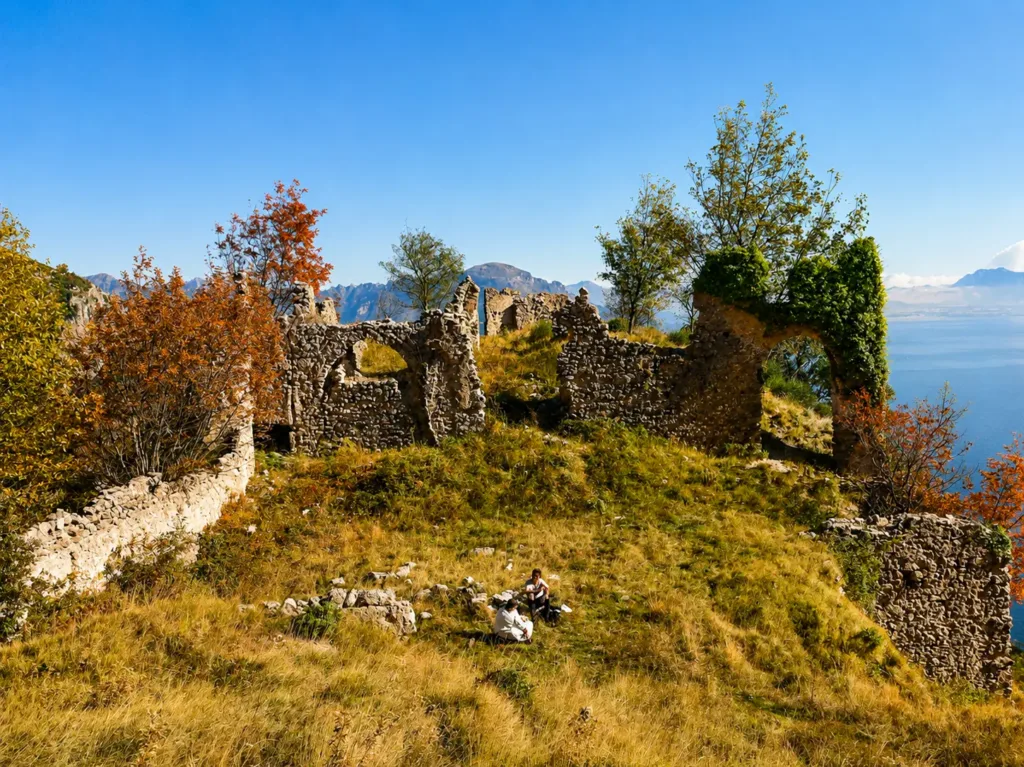
Ruderi Sant'Angelo a Jugo
Grotte di Santa Barbara
Convento Di Cospiti
Chiese