

CHIESA SANTA MARIA LA MANNA
Information Sheet
📍 Location: Agerola (NA), Italy
⛪ Dedicated to: Santa Maria La Manna
📅 Period: 13th century
🎨 Style: Campanian religious architecture with Baroque elements
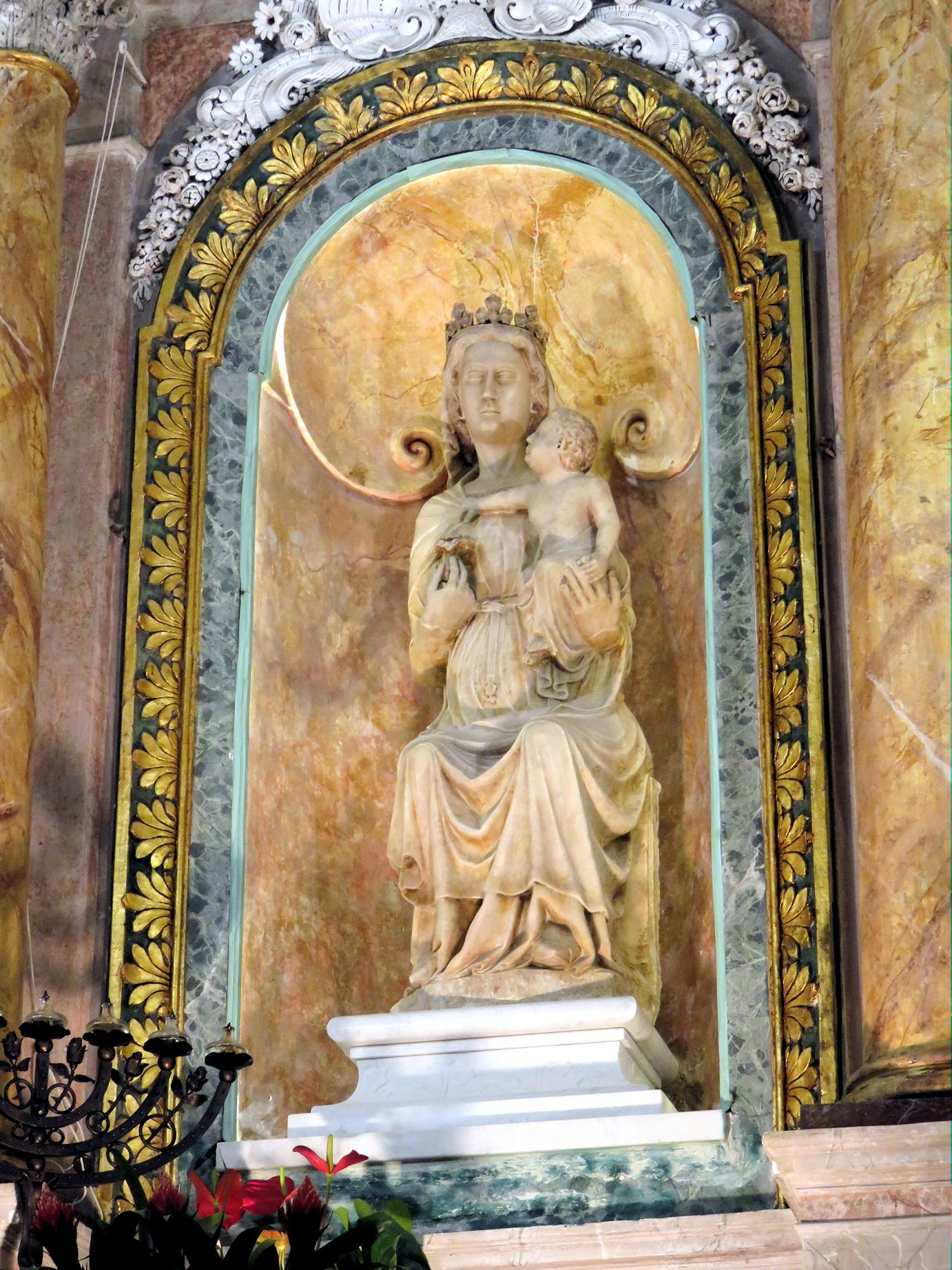
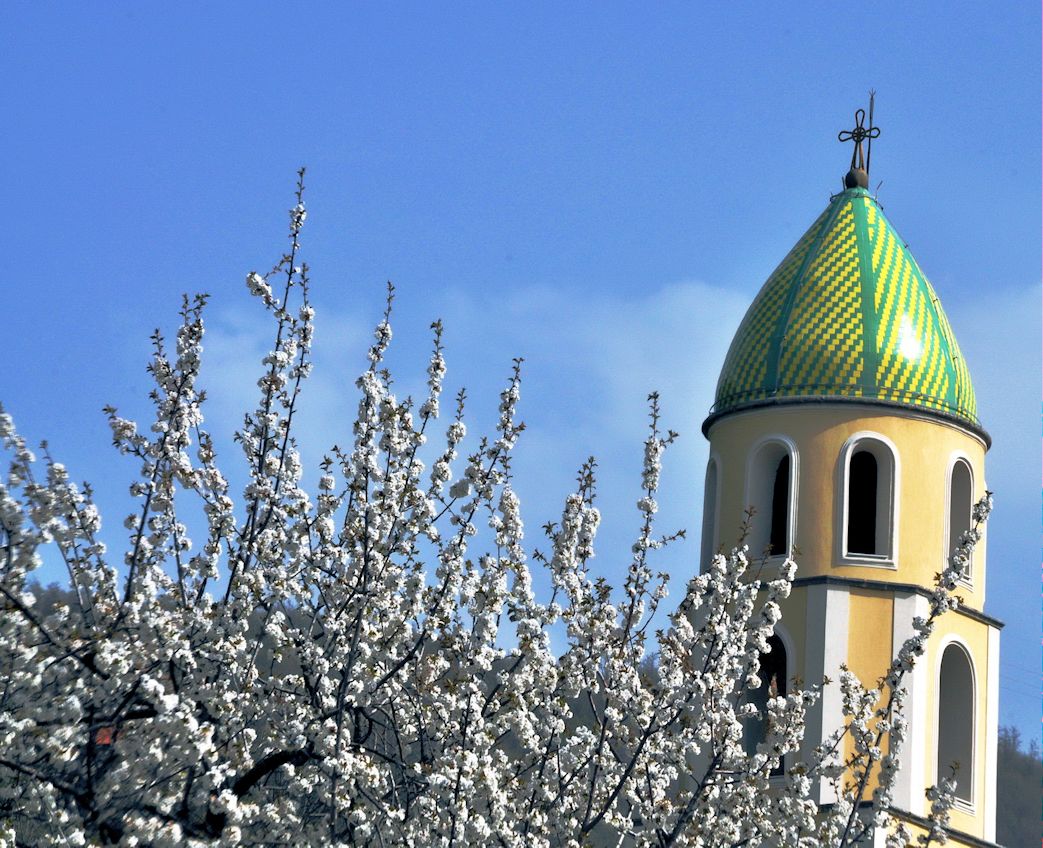
⭐ Highlights: Majolica-tiled dome, statue of Our Lady of La Manna, marble altars and sacred artworks
Description
The Church of Santa Maria La Manna is one of the oldest and most important places of worship in Agerola. Its origins date back to the 13th century, although the present building is the result of several reconstruction and expansion phases carried out over the centuries.
Built on a Latin cross plan with three naves, the church preserves important features of traditional Campanian religious architecture. Its most distinctive element is the magnificent majolica-tiled dome, which has become one of Agerola’s most recognizable landmarks.
After suffering severe damage during the 1980 Irpinia earthquake, the church was closed for worship. It later underwent an extensive restoration promoted by the Superintendency for the Historical Heritage of Naples and Campania, allowing it to reopen to the public in 1999.
Inside, visitors can admire numerous works of great artistic and devotional value. The most venerated is the statue of Our Lady of La Manna, which has been at the heart of local religious devotion for centuries. Other remarkable treasures include a 14th-century marble sculpture of the Madonna and Child and a 16th-century wooden crucifix, both precious testimonies to Agerola’s rich historical, artistic and religious heritage.
Today, the Church of Santa Maria La Manna continues to serve as an important spiritual and cultural landmark for the local community, preserving an invaluable artistic, historical and religious legacy.
Did You Know?
According to local tradition, the name “La Manna” is linked to a miraculous event attributed to the Virgin Mary, which strengthened the devotion of the local community over the centuries. This enduring tradition has made the sanctuary one of the most significant and deeply rooted symbols of Agerola’s religious heritage.